
time:2026-08-06
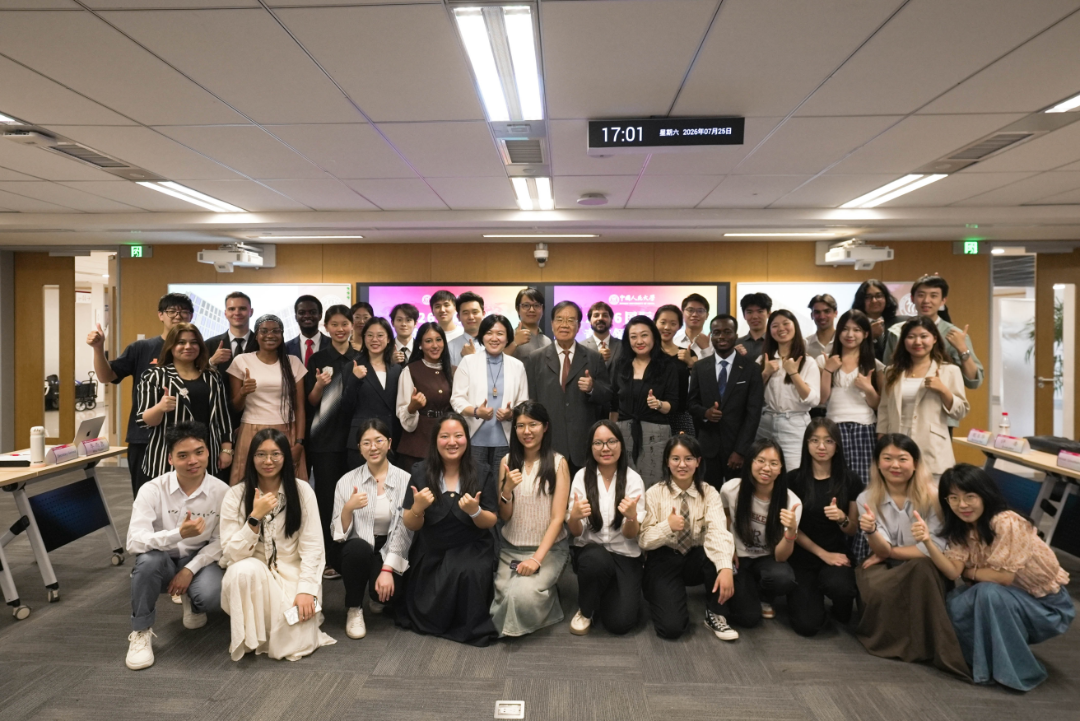
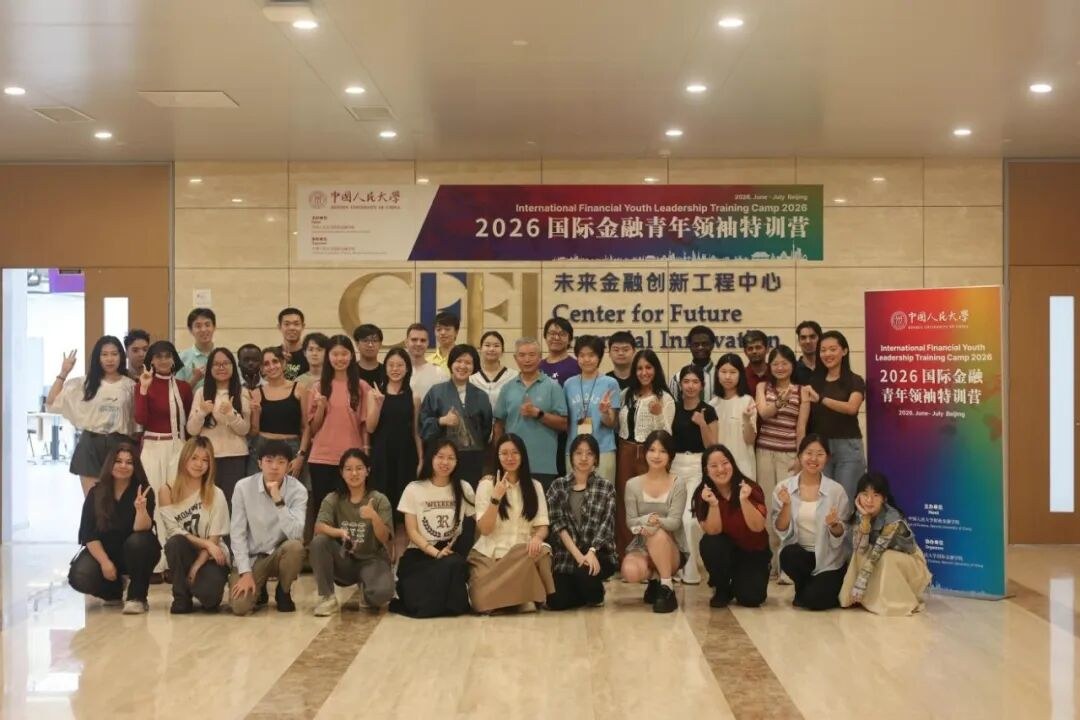
The 2026 International Finance Youth Leaders (IFYL) Training Camp was successfully held from July 2 to July 30. Hosted by the School of Finance of Renmin University of China (RUC) and co-organized by the International School of Finance, the camp comprised online training, in-person courses, group presentations, multiple rounds of competitions, institutional visits, networking events and cultural exchanges. It attracted applications from young participants across 21 countries and regions, and candidates from 19 countries and regions were ultimately selected to attend. Centering on core topics including global economic and financial governance, reform of the international monetary system, multilateral development financing mechanisms, trends and prospects of China's economic development, and cross-cultural communication in international organizations, the program employed a diverse range of training methods—academic reading, lectures, case-based teaching, institutional research and negotiation simulations—to guide participants toward a comprehensive understanding of global financial governance mechanisms and to strengthen their ability to communicate and negotiate on core international financial issues in cross-cultural settings.
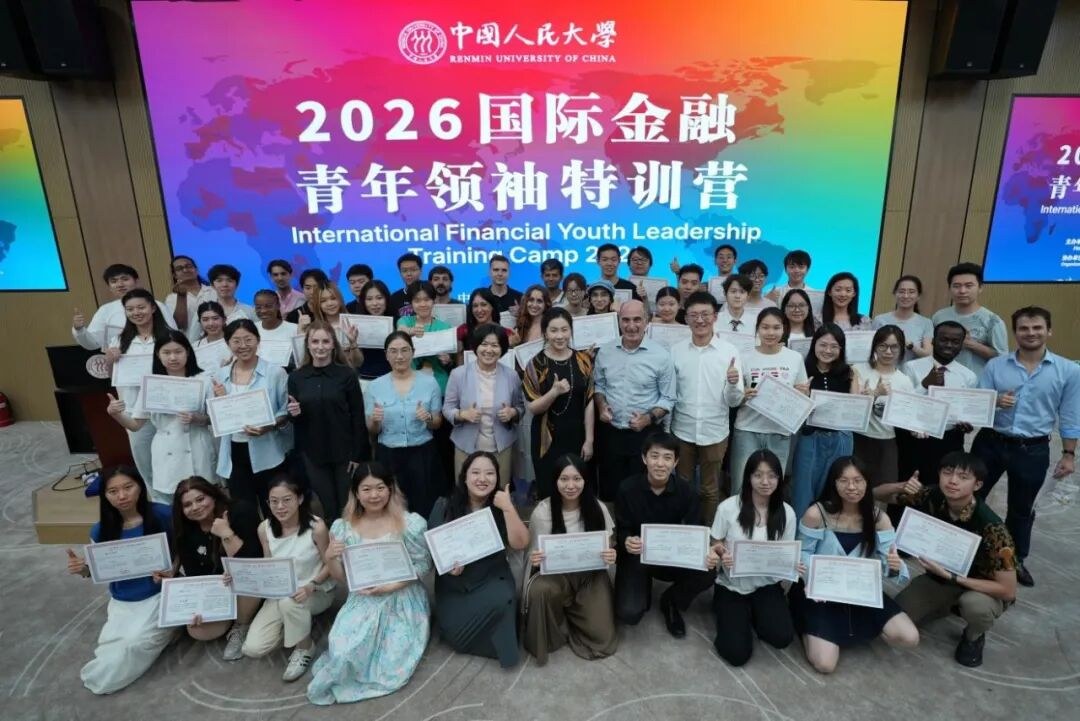
Established on the initiative of the School of Finance of Renmin University of China, the IFYL Training Camp aims to guide participants through practice in strengthening their convictions and ideals, honing their financial expertise and broadening their international horizons, thereby cultivating global financial governance talent for China and the world who possess professional competence, uphold multilateralism, and combine a sense of national commitment with a global vision and a sense of the mission of our times. Since its inception, the program has earned professional recognition from a number of international economic and financial organizations as well as strong support from senior generations of Chinese international financial diplomats. It has gradually developed a talent cultivation system that is grounded in international finance theory, driven by global governance issues, delivered through simulated negotiation scenarios, empowered by AI as a technological tool, and distinguished by its focus on cross-cultural negotiation.
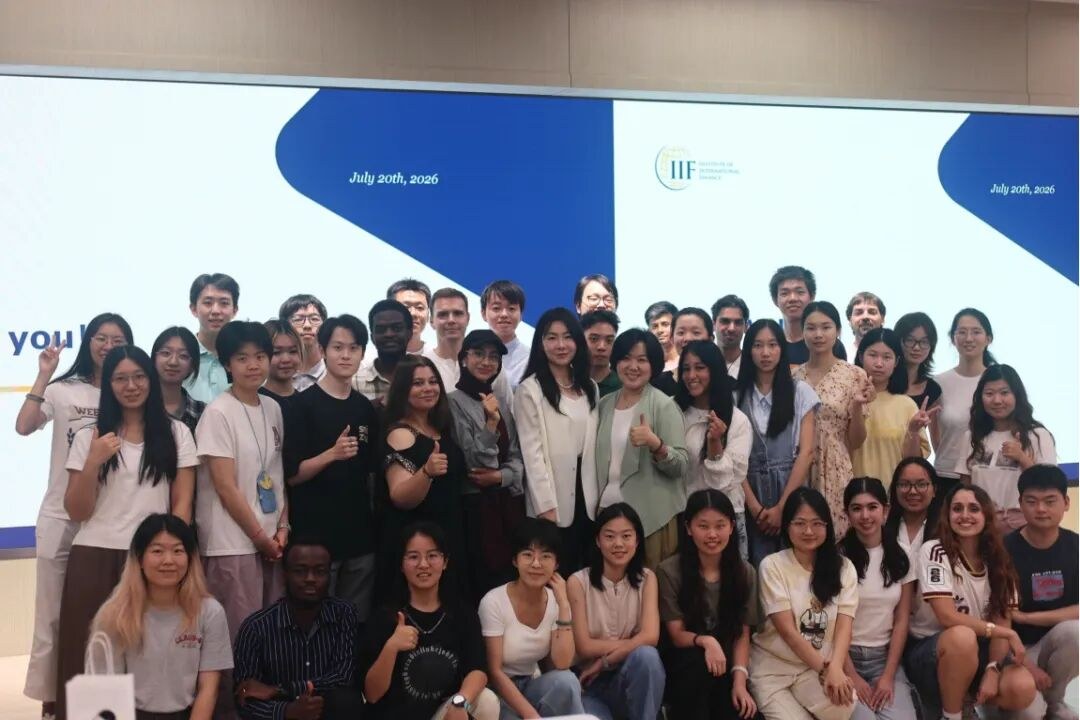
In terms of faculty, this year's camp invited a number of experts from international economic organizations, academic institutions and the international financial industry, including Zhang Zhixiang, former Director-General of the International Department of the People's Bank of China and former Executive Director for China at the IMF; Wei Benhua, former Executive Director for China at the IMF and former Deputy Administrator of the State Administration of Foreign Exchange; Lin Jianhai, Vice Chairman of the International Finance Forum and former Secretary-General of the IMF; He Jianxiong, former Director-General of the International Department of the People's Bank of China and former Executive Director for China at the IMF; Anoop Singh, former Director of the IMF's Asia and Pacific Department; Steven Barnett, former IMF Resident Representative in China and former advisor to the IMF Deputy Managing Director; Wang Zhijia, former Deputy Director of the United Nations Environment Programme; Kevin C. Chua, Senior Economist at the World Bank; Gao Haihong, Director of the Center for International Finance Studies at the Institute of World Economics and Politics, Chinese Academy of Social Sciences; Miao Yanliang, former IMF economist and Chief Economist at China International Capital Corporation; Sun Chao, former consultant to the IMF and to the United Nations Headquarters in New York; Zhang Ziwei, Chief Representative of the Institute of International Finance Asia-Pacific (Beijing) Office; Sun Changyu, Investment Officer in the Global Project and Corporate Finance Department of the AIIB; Wang Xuanhe, Investment Officer in the Global Financial Institutions and Fund Clients Department of the AIIB; Jia Junxue, Dean of the School of Finance at Renmin University of China, and He Qing, its Vice Dean; Liu Zehao, Vice Dean of the International School of Finance; Wang Fang, Tu Yonghong, Wang Chenxi, Wang Jingye and He Zhiheng from the international finance teaching team; Zhu Wenyu, former consultant to the World Bank; and Qu Qiang, Assistant to the Director of the International Monetary Institute.
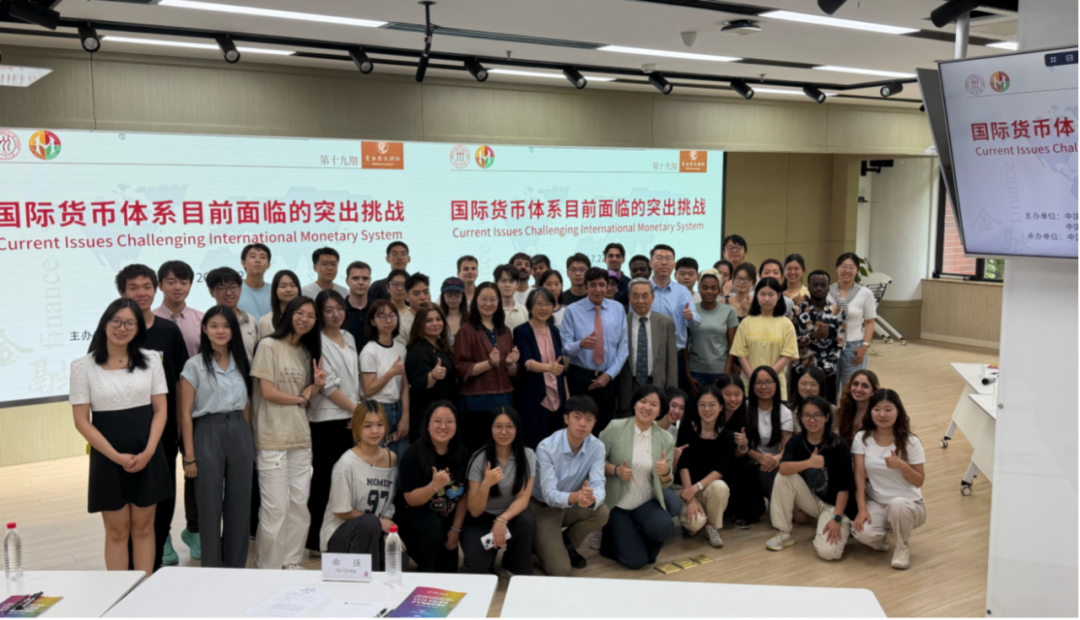
During the online training phase, the program made use of an AI-powered training platform, under which participants studied 13 professional articles on core issues in international economics and finance and took part in two rounds of group presentations. This was designed to sharpen their awareness of key issues, policy analysis skills and academic presentation abilities, laying the groundwork for the in-person courses and simulated negotiations that followed.
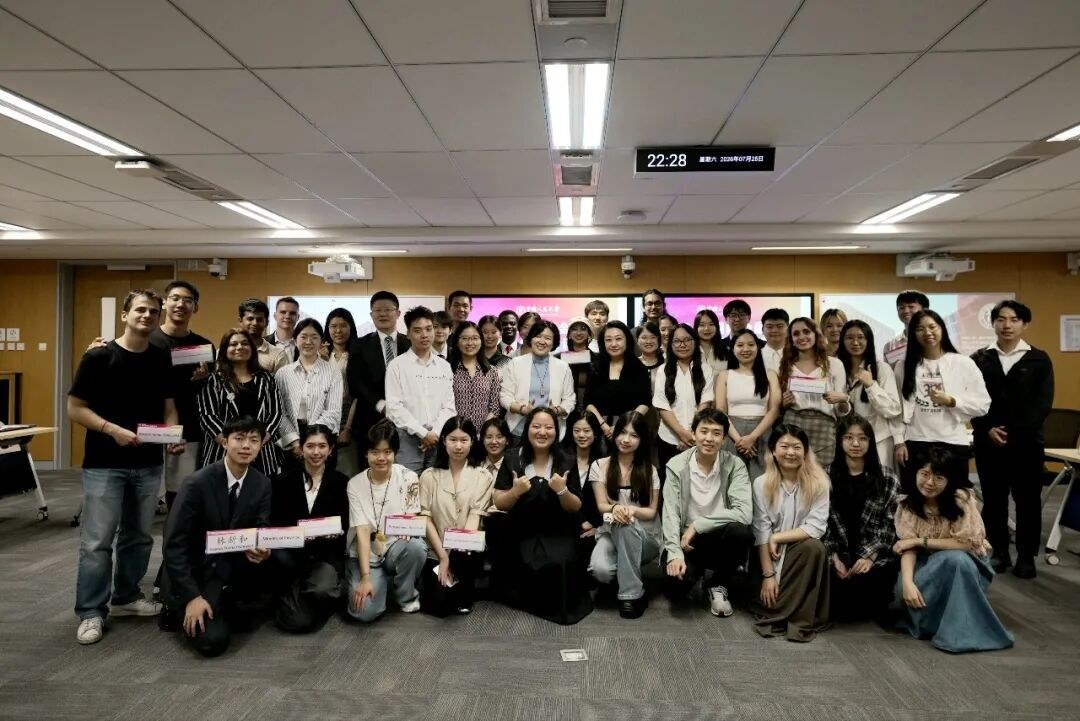
In the in-person competition segment, participants contested a keenly fought semi-final round on two topics: "Negotiating an IMF Crisis Lending Program" and "AIIB Project Financing Consultation and Negotiation." Those who advanced took part on July 29 in the final, a simulation of "IMF Quota Reform." Across the multiple rounds, participants assumed the roles of different countries, international organizations and stakeholders, and within set time limits completed document analysis, articulation of policy positions, design of financing proposals and multilateral negotiations, confronting real-world challenges such as information asymmetry, divergent policy objectives, financing conditionality constraints and high-intensity communication. Through immersive role-play and repeated rounds of consultation, the program substantially strengthened participants' capabilities in macroeconomic and financial analysis, understanding of international rules and English communication, while greatly enhancing their ability to state positions, reconcile differences and build consensus in cross-cultural contexts.
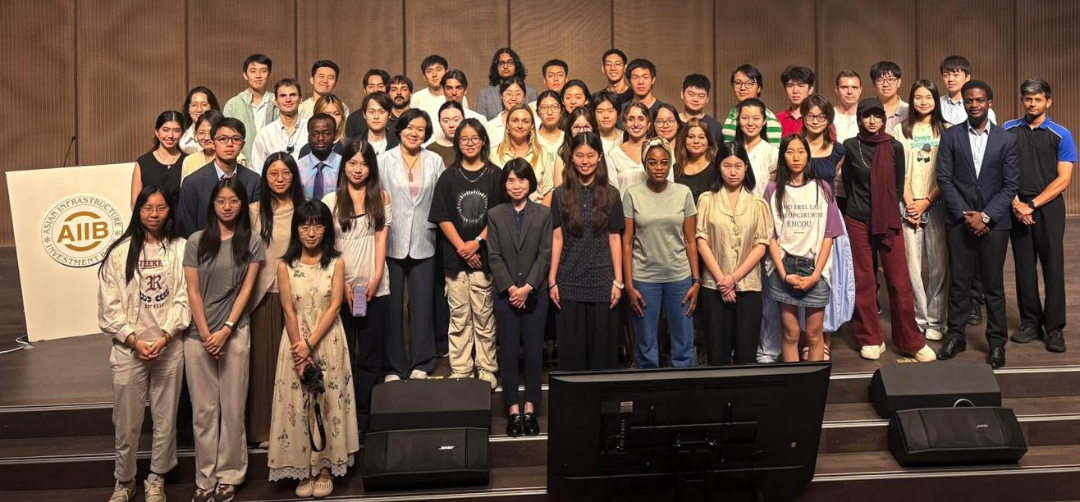
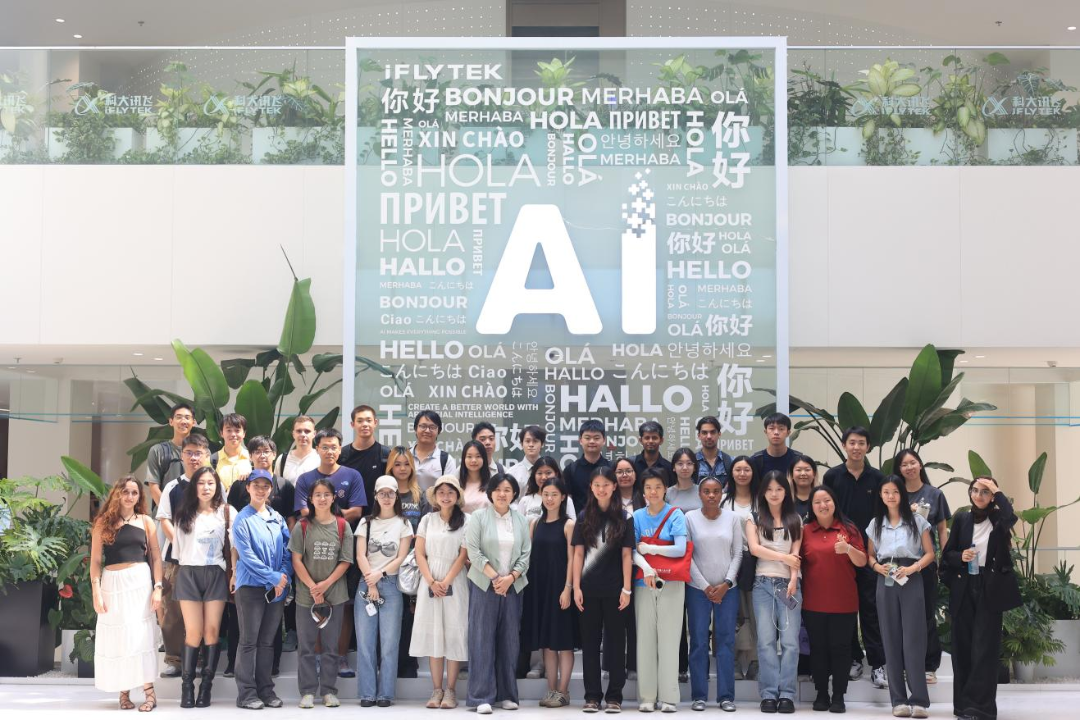
The camp also organized visits to multilateral development institutions including the Asian Infrastructure Investment Bank and the World Bank China Office, giving participants an in-depth understanding of their mandates, governance structures and project operations. Participants additionally visited iFlytek and the China Numismatic Museum, and took part in an IFYL networking book club and a China-US student leaders dialogue. From the multiple perspectives of technological innovation, money and finance, history and culture, and youth exchange, they observed the deep connections between financial development and economic and social change. Through these diverse field visits and exchange activities, participants were able to step beyond the classroom and, in real-world settings, further their understanding of China's development experience, the operating mechanisms of international organizations, and the core issues of cross-cultural communication and international outreach.

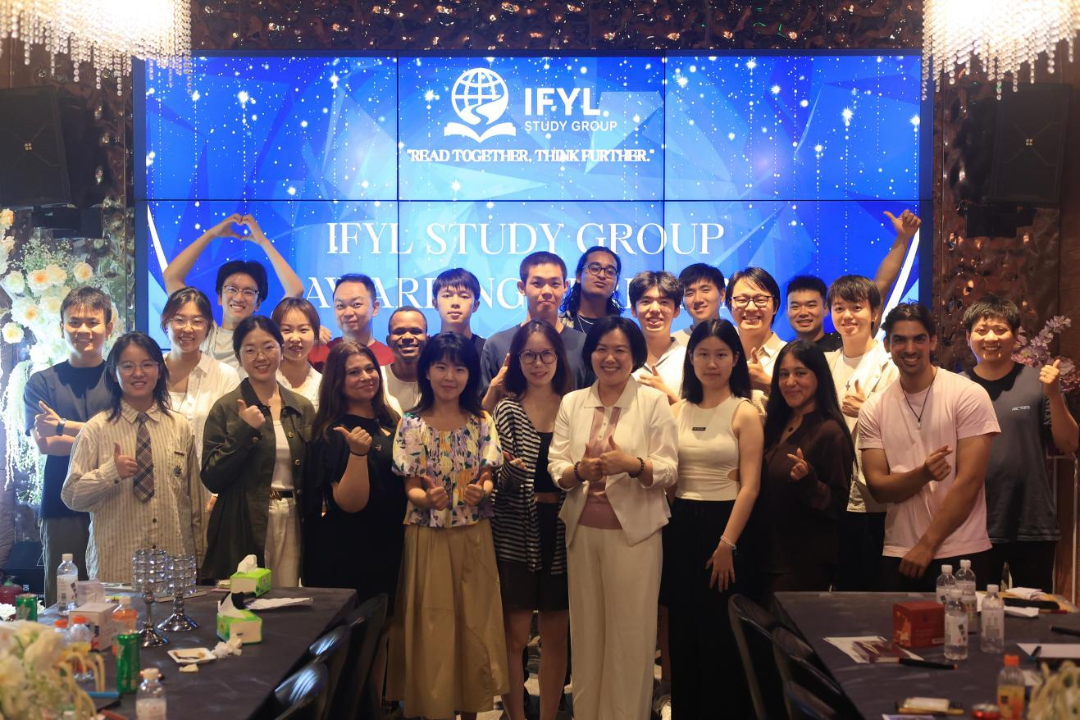
On the afternoon of July 30, the closing ceremony and awards presentation of the 2026 IFYL Training Camp were held amid an atmosphere of celebration. Steven Barnett, Zhang Ziwei, Yang Qingqing, Cui Tiantian, Song Yuanyuan and Wang Jingye presented awards to the participants.
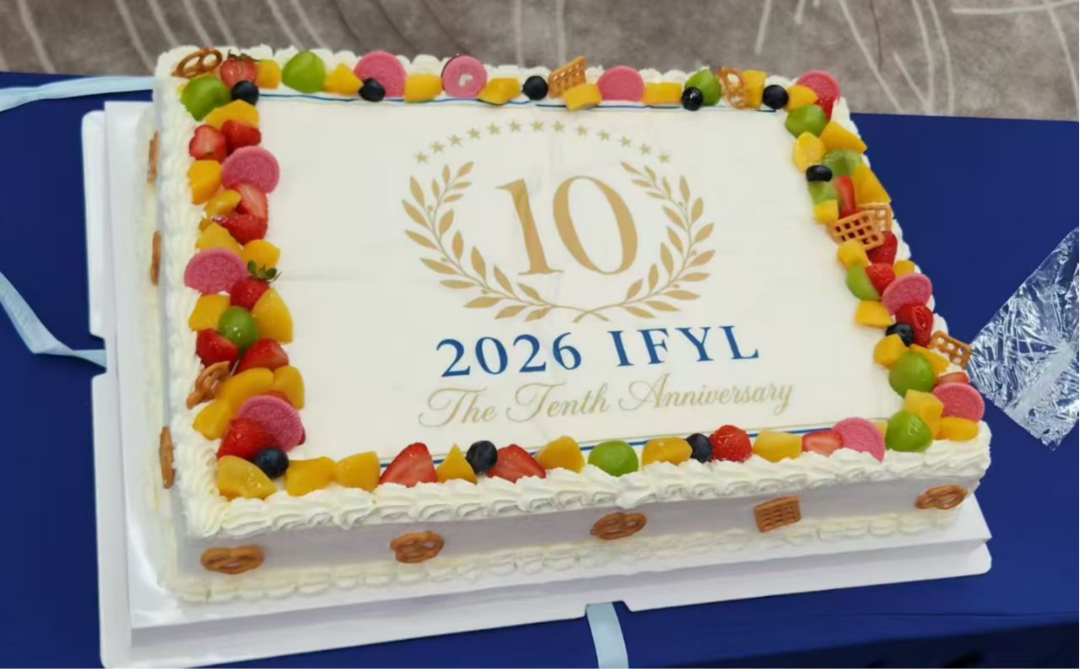
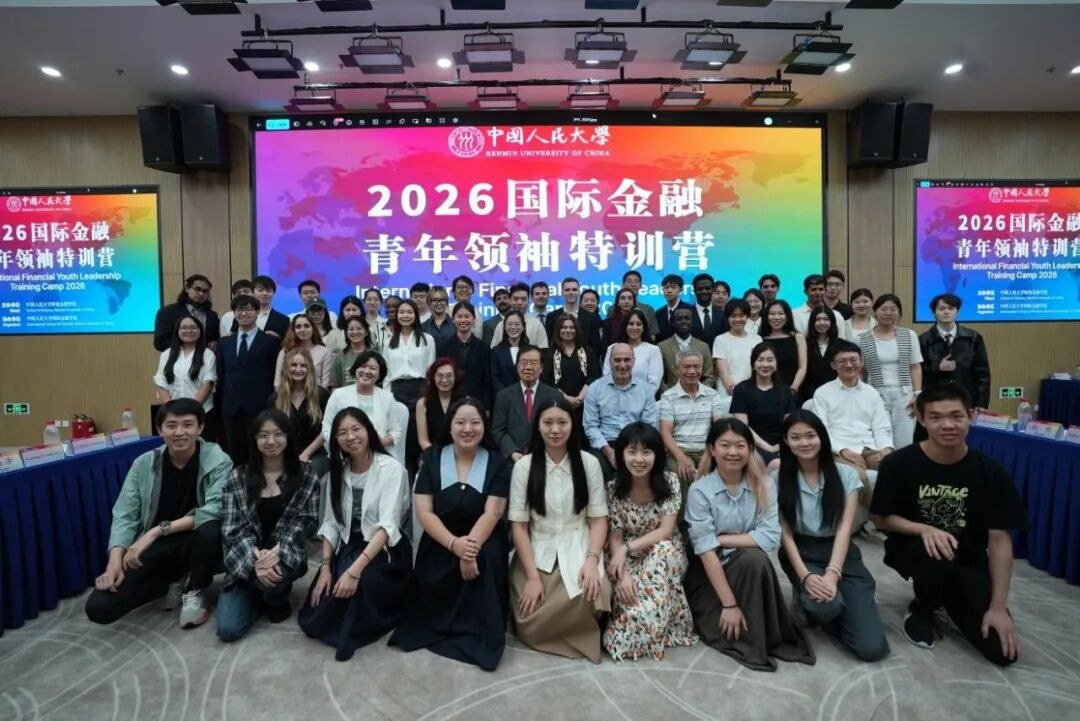
Through nearly a month of intensive study, rigorous training, thematic seminars, simulated negotiations, multiple rounds of competitions, institutional visits and cultural exchanges, participants not only deepened their knowledge of international finance, but also gained a full appreciation of the complexity of global economic and financial governance, where diverse interests intersect, institutional rules are contested and policy choices must be weighed. Participants from different countries and regions enhanced mutual understanding through shared learning and collaboration and, by comparing different policy perspectives, institutional experiences and cultural forms of expression, developed a more open and inclusive understanding of global governance. Going forward, the program will continue to build on the disciplinary strengths of the School of Finance and the International School of Finance of Renmin University of China in public finance and finance as academic disciplines, international finance research and the cultivation of talent with global competence. It will sustain a platform for academic exchange, the integration of theory and practice, and cross-cultural communication for young people, helping more of them strengthen the knowledge base, practical skills and sense of responsibility needed to participate in global economic and financial governance, and contributing the energy of youth to a more open, inclusive and effective system of global governance.