time:2026-06-24
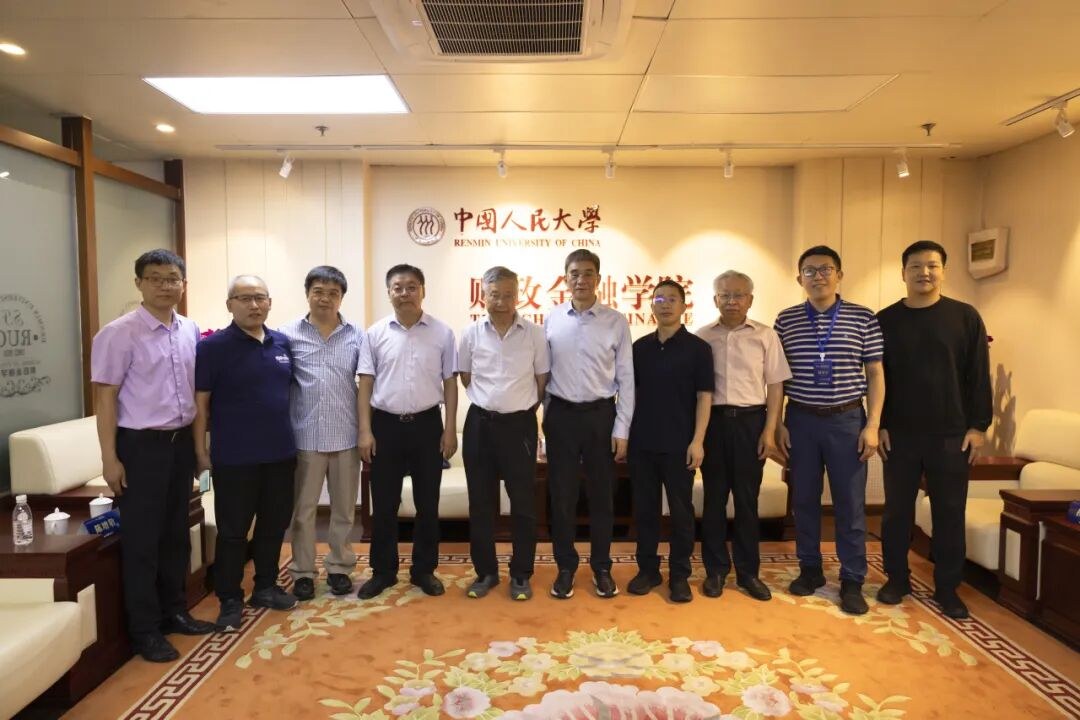
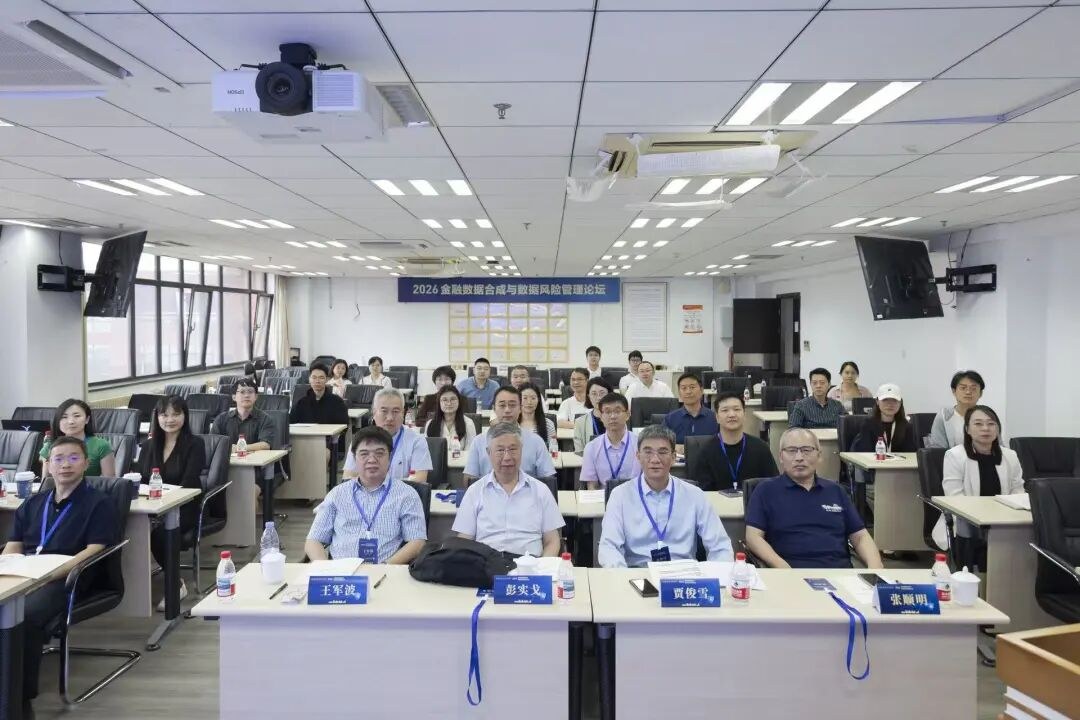
On June 15, 2026, the 2026 Forum on Financial Data Synthesis and Data Risk Management, hosted by the School of Finance of Renmin University of China and organized by its Department of Applied Finance, was successfully held in Room 830 of Mingde Main Building on the Zhongguancun Campus of Renmin University of China.
The forum was convened to address the new challenges facing financial data governance and financial risk management amid the rapid development of the digital economy and artificial intelligence. Centering on the core question of how to conduct modeling, inference, synthesis and risk identification in financial data environments that are high-dimensional, sparse, time-varying, strongly correlated and subject to privacy constraints, it brought together distinguished scholars and experts from mathematics, statistics, economics, finance and information science. Participants engaged in comprehensive and in-depth academic discussion and exchange of ideas across key areas including financial data synthesis technologies, nonlinear expectation theory, the practical application of artificial intelligence in finance, security and protection of financial data privacy, and end-to-end financial risk management.
Opening Remarks
Welcoming Scholars from Afar to Explore Data Synthesis
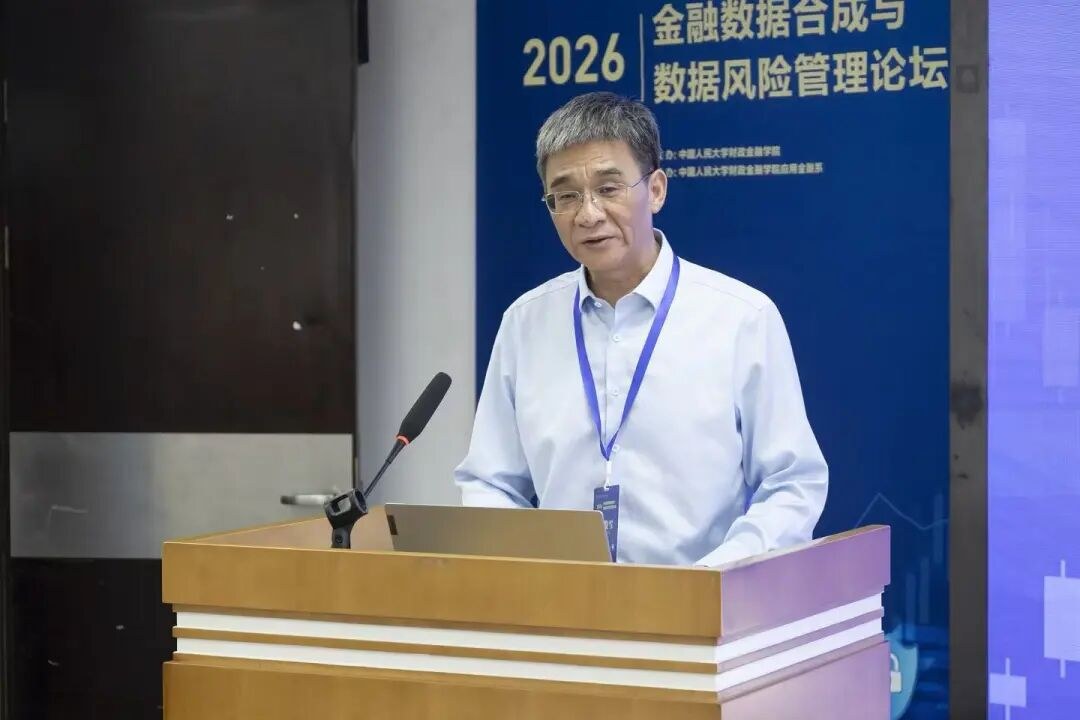
The opening ceremony was chaired by Professor Zhang Shunming of the School of Finance, Renmin University of China. Professor Jia Junxue, Dean of the School, attended the forum and delivered the opening remarks. Dean Jia began by extending a warm welcome and sincere gratitude to the scholars and experts from China and abroad. He noted that, as financial technology and artificial intelligence become deeply integrated with data factor markets, the digital transformation of the financial industry continues to accelerate, and financial data synthesis and financial data risk management have become core frontier research fields at the intersection of finance, statistics, computer science and applied mathematics. He expressed the hope that the forum would build an efficient bridge for interdisciplinary academic exchange, help scholars from different fields share research ideas and build academic consensus, and further advance the improvement of the financial data governance system, the iteration of intelligent model risk monitoring technologies, and the innovative development of modern financial risk management theory.
Keynote Speeches
Advancing Expectation Theory and Analyzing Behavioral Finance
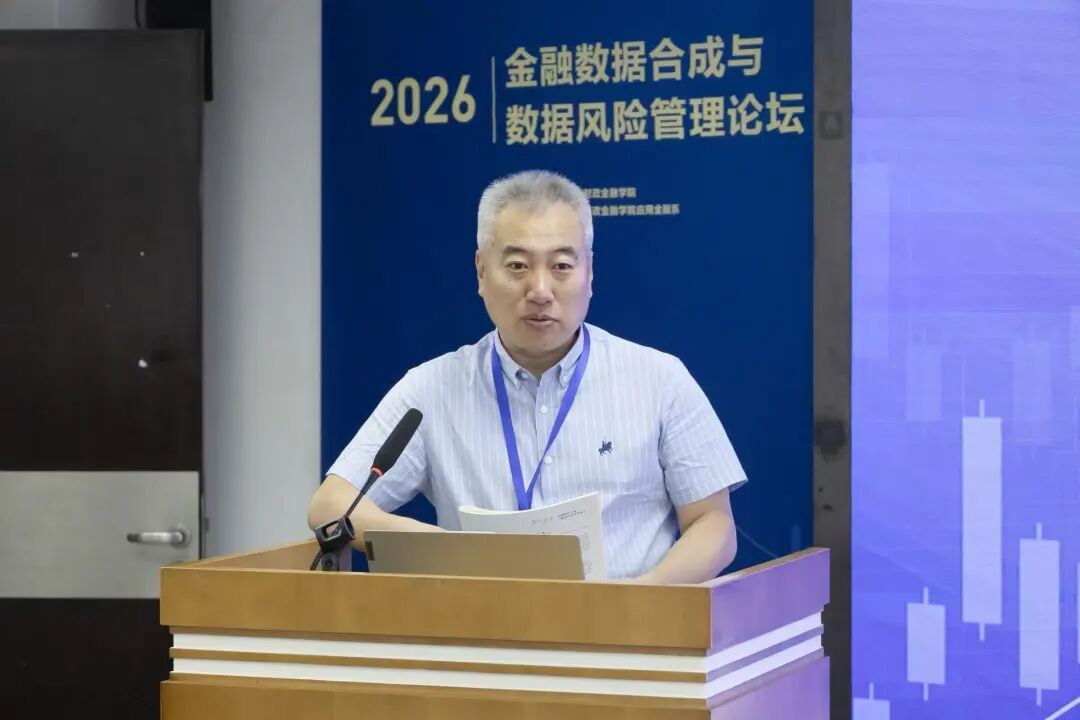
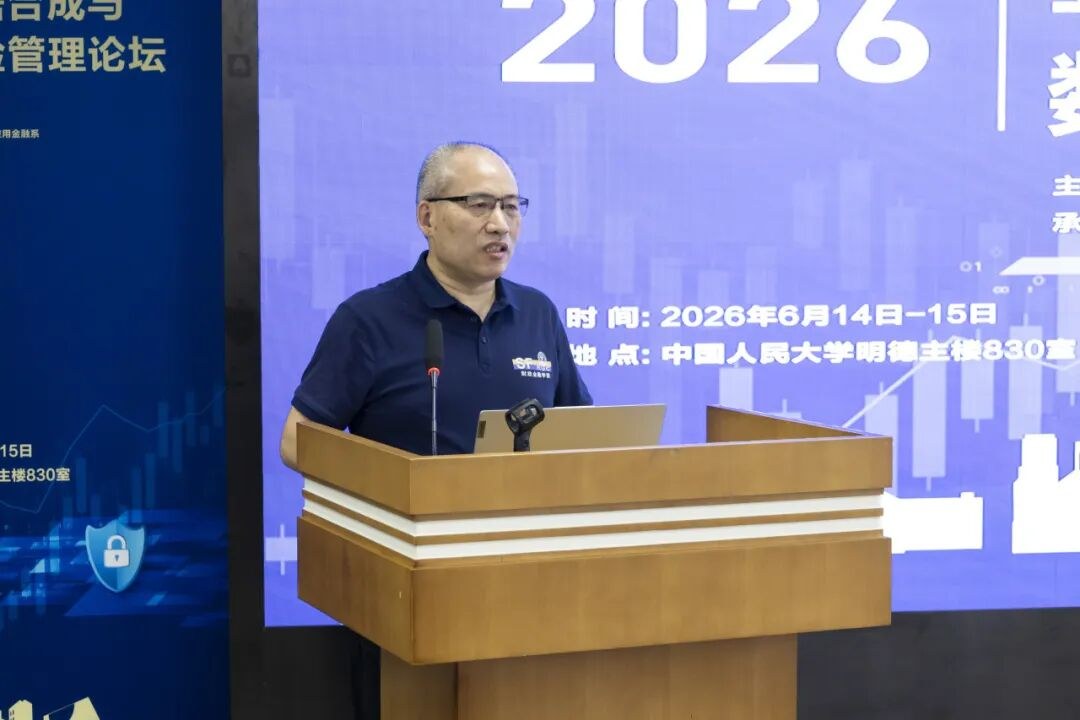
Following the opening ceremony, the forum moved to its keynote session. Five leading experts spoke in turn, focusing respectively on financial uncertainty modeling, fixed-income market risk assessment, nonlinear probability and statistics theory, innovation in artificial intelligence applications in finance, and institutional investment behavior, delivering academic presentations of both theoretical depth and practical relevance. The keynote session was chaired by Professor Chen Yueguo of the School of Information, Renmin University of China.
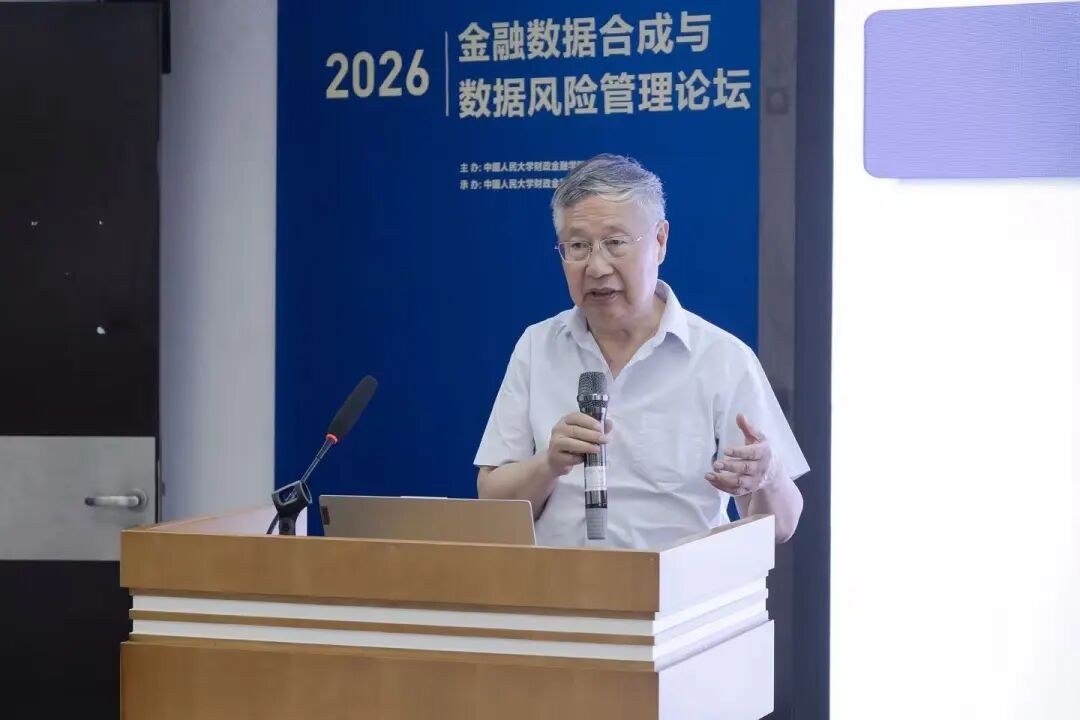
Professor Peng Shige, an academician of the Chinese Academy of Sciences, Director of the Center for Mathematics and Interdisciplinary Sciences and a professor at the School of Mathematics of Shandong University, delivered a report titled "Nonlinear Expectation: A Robust Paradigm for Uncertainty From Financial Risk to Deep Learning." Starting from the complex uncertainty problems pervasive in financial market risk management and in industrial applications of deep learning, the report offered an in-depth exposition of how to conduct effective modeling, measurement, computation and control under conditions of model uncertainty, unknown distributions, limited data and dynamically changing environments. Professor Peng systematically reviewed the fundamental ideas, theoretical framework and development of nonlinear expectation theory, noting that traditional probability theory is generally built on a single probability measure, whereas in real financial markets and AI application scenarios decision-makers face multiple models, parameter volatility, extreme risks and unstable data-generating mechanisms, and therefore require more robust mathematical tools to characterize and handle uncertainty. The report highlighted a series of important theoretical results represented by sublinear expectation, the G-normal distribution, the nonlinear law of large numbers and the nonlinear central limit theorem, demonstrating how nonlinear expectation theory provides a new foundational framework for risk measurement and statistical inference under uncertainty. On the application side, drawing on problems such as G-VaR computation in financial risk management, Professor Peng showed that the theory can more effectively capture volatility uncertainty and tail risk, providing theoretical support for financial institutions in conducting robust risk assessment. The report further discussed the extended value of nonlinear expectation methods in deep learning and artificial intelligence, in particular their potential role in improving model adaptability to data perturbation, distribution shift and complex environmental change. Professor Peng also introduced the robust and efficient phi-max-mean algorithm, which can be used for the measurement and computation of nonlinear distributions and provides a viable path toward the numerical implementation and practical application of the theory. Combining considerable theoretical depth with close engagement with real problems in fintech and AI development, the report illustrated the significance of nonlinear expectation theory for advancing theoretical innovation in financial science, enhancing the robustness of risk management, and serving data risk governance.
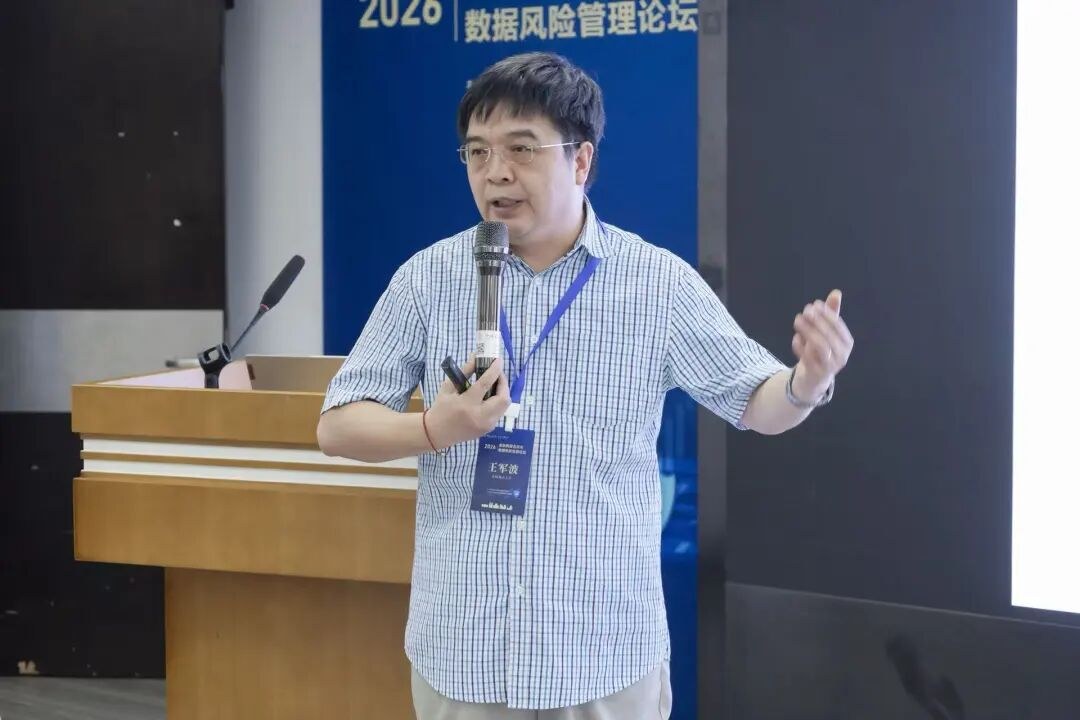
Professor Wang Junbo, Chair of the Department of Economics and Finance at City University of Hong Kong, delivered a report titled "Cross-Bond Momentum Spillovers," analyzing peer momentum effects in the bond market and examining the return predictability among economically linked bonds together with the underlying trading frictions and limits-to-arbitrage mechanisms. Bond peer momentum (PM), defined as the average return of economically linked bonds, strongly predicts excess returns over the following month. Among various forms of corporate linkage, the shared analyst network provides the richest information and subsumes other types of peer momentum measures. A long-short strategy built on this signal earns 0.45 percent per month, and its alpha cannot be explained by standard bond and equity factor models, remaining robust across different samples, characteristics and return measures. This predictability is concentrated among commonly held bonds and is more pronounced when trading frictions are higher, supporting a flow-based limits-to-arbitrage channel rather than a limited-attention channel. Compared with equities, the bond peer momentum strategy delivers comparable risk-adjusted returns (Sharpe ratio), lower crash risk and shorter persistence.
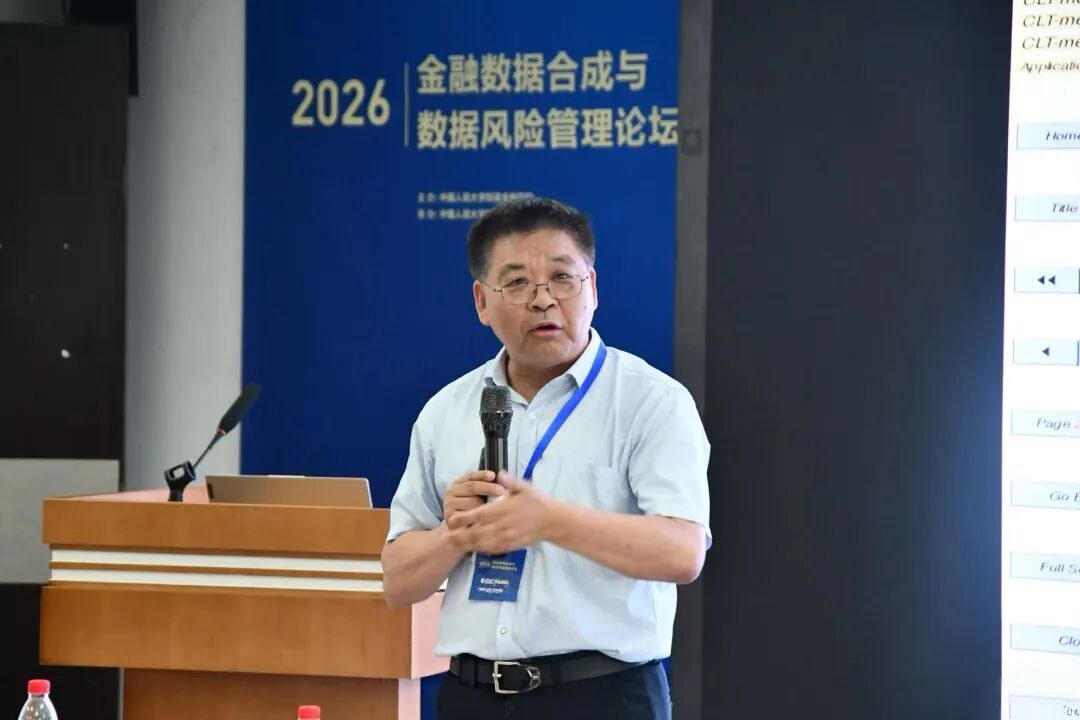
Professor Chen Zengjing, Dean of the Zhongtai Securities Institute for Financial Studies and a professor at the School of Mathematics of Shandong University, delivered a report titled "Probability Theory and Statistics: From Linear to Nonlinear." Probability and statistics is the mathematical discipline that studies uncertain phenomena; its essence lies in discovering determinate statistical regularities within uncertainty. Over the more than three centuries since the discovery of the law of large numbers, probability and statistics have not only advanced mathematics from deterministic to stochastic mathematics, but also gave rise to the "Soviet school of probability and statistics" represented by Kolmogorov, whose results provided effective measurement tools and methods for economics, finance, physics, biology and other disciplines. With the rapid development of big data, artificial intelligence, and economics and finance, it has become apparent that explaining many complex phenomena using probability methods under the Kolmogorov axiomatic system can give rise to paradoxes. Breaking through the Kolmogorov axiomatic system and establishing a new non-Kolmogorov axiomatic system is therefore a demand of our times. This report mainly introduced the foundational contributions made by the "Chinese school of nonlinear expectation" to the establishment of "nonlinear probability and statistics," which have advanced and guided the development of the science of uncertainty and of financial risk management.
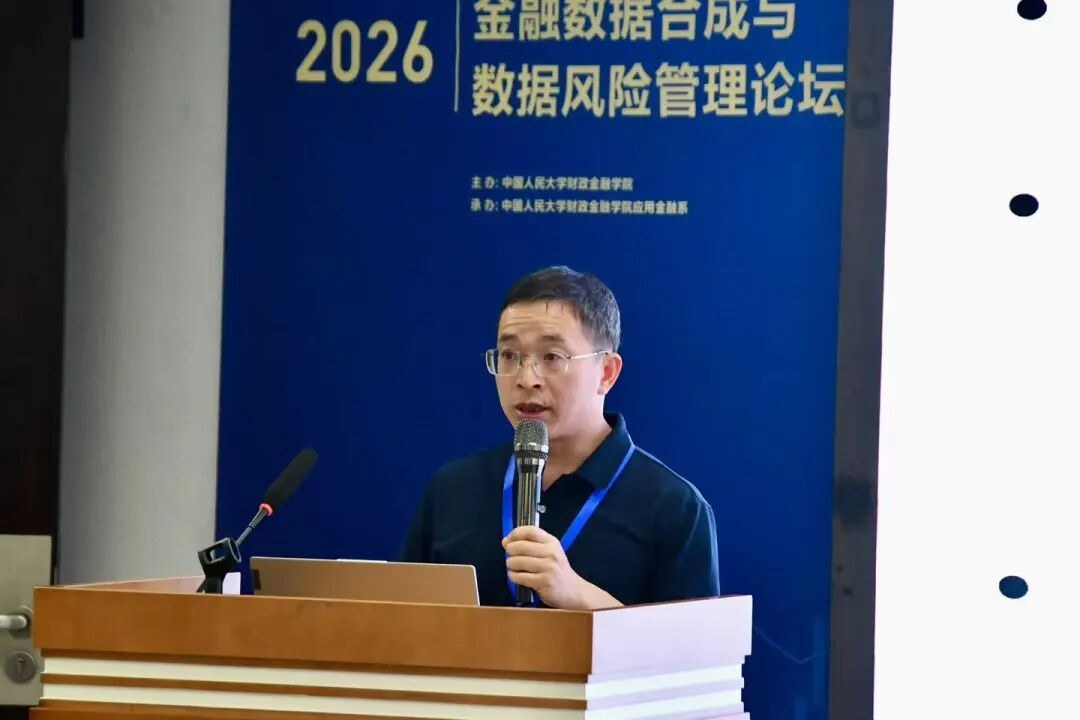
Professor Yang Jinqiang, Dean of the School of Finance at Shanghai University of Finance and Economics, delivered a report titled "Artificial Intelligence and Enterprise-Led Industry-University-Research Collaborative Innovation: A Perspective Based on Collaboration Costs," analyzing how artificial intelligence affects enterprise-led collaborative innovation from the perspective of collaboration costs and revealing the mechanisms through which AI reduces search costs, coordination costs and knowledge absorption costs. Enterprise-led industry-university-research collaborative innovation is a key path to strengthening endogenous growth drivers and building a modernized industrial system, but high collaboration costs constrain the establishment of efficient coordination mechanisms and the generation of innovative outputs. Using the establishment of national new-generation artificial intelligence innovation and development pilot zones as a quasi-natural experiment, and combining theoretical modeling with empirical analysis, the report examined the impact of AI on enterprise-led collaborative innovation. The study finds that the application of AI significantly reduces collaboration costs, thereby raising the level of enterprise-led collaborative innovation. Mechanism analysis shows that the reduction in collaboration costs is reflected in lower search costs when matching with academic and research institutions, as well as lower coordination costs in non-routine tasks such as communication about collaboration models, interest negotiation and knowledge absorption. Heterogeneity analysis indicates that the promoting effect of AI is more pronounced in firms that emphasize employee training, in industries more closely related to strategic emerging industries, and in regions with weaker governance of intellectual property rights in industry-university-research collaboration. Further analysis shows that, after AI empowers enterprise-led collaborative innovation, firms' innovation quality and economic performance improve markedly. The findings provide new empirical evidence for understanding how AI consolidates the micro-foundations of endogenous growth, and offer important implications for promoting the deep integration of technological and industrial innovation.

Professor Wang Changyun of the School of Finance, Renmin University of China, delivered a report titled "'National Team' Market Rescue and Institutional Investment Behavior." Set against the entry and continued shareholding of the "national team" in China's capital market, the report analyzes how government intervention affects the portfolio allocation behavior of institutional investors through demand decomposition and information disclosure. Direct equity purchases by the "national team" to rescue the market alter the supply-demand relationship for assets and may also affect institutional investors' information choices through position disclosure. Using the entry and continued shareholding of China's "national team" after the 2015 stock market turmoil as the setting, and drawing on the demand-system approach to asset pricing, the study decomposes "national team" demand and examines the portfolio response of public funds, using investor-stock micro-level holdings data from the top ten tradable shareholders of listed companies and detailed public fund holdings. The study finds that "national team" demand can be decomposed into stability-oriented non-price demand and implicit demand with return-predictive power. Public funds followed both types of demand in the early period after the turmoil, then gradually shifted toward positively allocating to implicit demand while avoiding non-price demand. Furthermore, funds' positive tilt toward the implicit demand of the "national team" predicts future performance. The report reveals the micro-level mechanism through which government intervention affects institutional portfolios from a demand decomposition perspective, and provides empirical evidence for improving information disclosure and the choice of policy instruments in direct market intervention.
Forum Presentations
Focusing on Intelligent Digital Finance and Understanding Data Synthesis
The forum then moved to its presentation session. Eight scholars, drawing on theoretical frontiers and market practice, shared their latest research findings on frontier topics including nature transition risk, AI trading behavior, short-dated options, market sentiment, privacy-protected statistical inference, multiple hypothesis testing, financial data synthesis and nonlinear pricing. They analyzed existing industry challenges and delivered a high-quality, cross-disciplinary academic program.
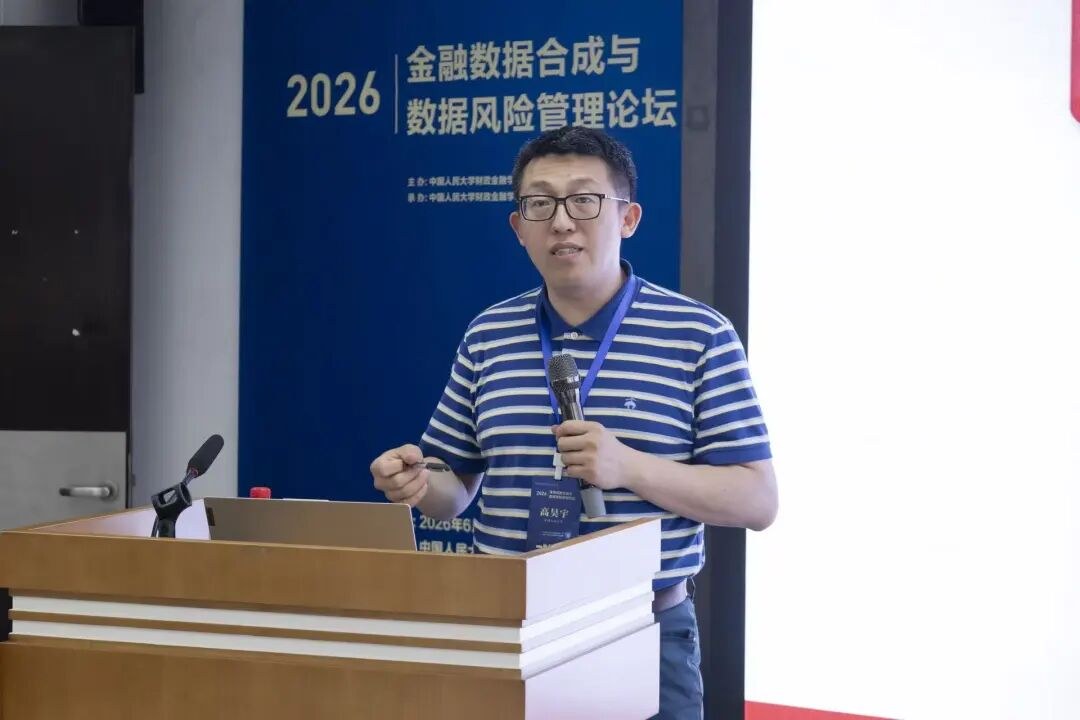
Professor Gao Haoyu, Deputy Chair of the Department of Money and Finance at the School of Finance, Renmin University of China, delivered a report titled "Nature Transition Risk," examining how regulatory discretion in conservation policy creates a new form of nature transition risk and analyzing how markets price related policy shocks from the perspective of asset price reactions. Regulatory discretion in conservation policy constitutes a distinct and underexplored source of nature transition risk. Exploiting the Kunming UN Biodiversity Conference as a policy shock that raised political commitments to biodiversity conservation, the report finds that firms with higher exposure to nature-related subsidies—implying greater susceptibility to discretionary government mobilization—exhibit significantly negative cumulative abnormal returns over the event window. This decline is driven by a widening risk premium (the discount rate channel) rather than by revisions to cash flow expectations. The effect is more pronounced in regions with tighter fiscal conditions and greater conservation pressure. Although affected firms increased their biodiversity-related disclosure, investors pricing the operational disruption brought by conservation policy did not expect firms to benefit from subsidy linkages. This suggests that, if underlying regulatory frictions remain unresolved, institutional discretion gives rise to transition risk that cannot be hedged.
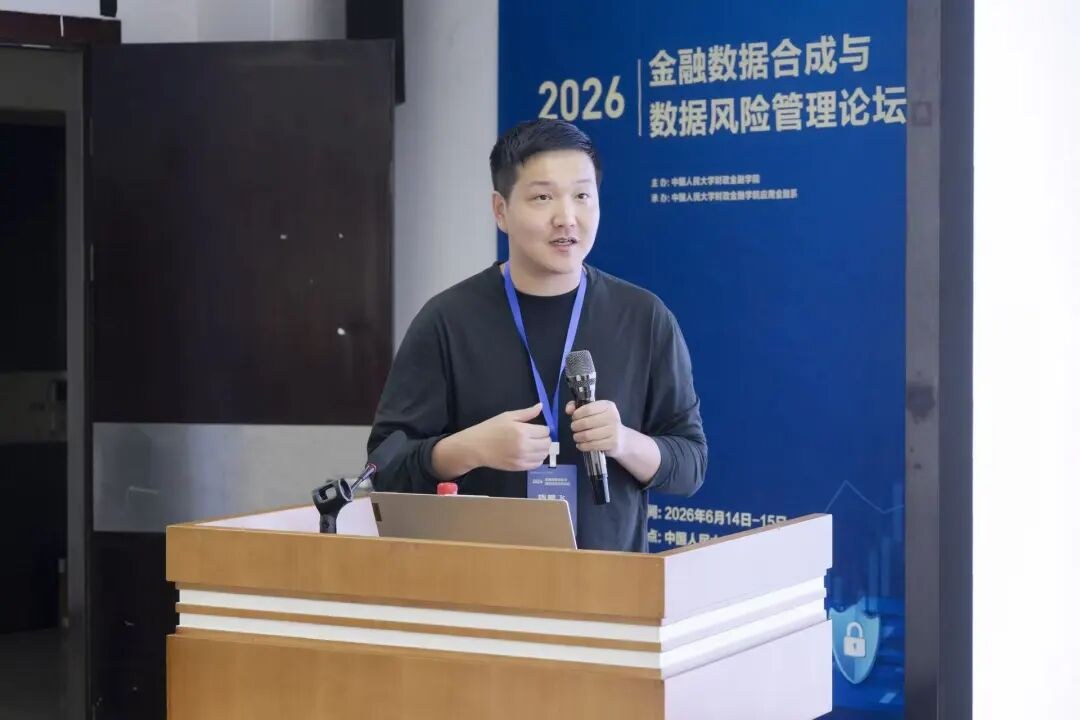
Associate Professor Sui Pengfei of the School of Management and Economics at the Chinese University of Hong Kong, Shenzhen, delivered a report titled "Dissecting AI Trading: Behavioral Finance and Market Bubbles." Based on an experimental asset market populated by large language model agents, the report analyzes whether AI trading agents exhibit classic behavioral finance characteristics and how these behaviors affect the formation of market bubbles. The paper studies how AI agents form expectations and trade in an experimental asset market. Using a simulated open-outcry auction market populated by autonomous large language model (LLM) agents, it obtains three main findings. First, AI agents display classic behavioral patterns: a pronounced disposition effect and extrapolative beliefs that place weight on recent information. Second, when aggregated, these individual-level behavioral patterns reproduce the equilibrium dynamics of classic experimental studies (e.g., Smith et al., 1988), including the predictive power of excess demand for future prices and the positive relationship between divergence of opinion and trading volume. Third, analyzing the agents' reasoning texts through a scoring framework covering twenty mechanisms, the study finds that targeted prompt interventions can causally amplify or suppress specific behavioral mechanisms, thereby significantly altering the size of market bubbles.
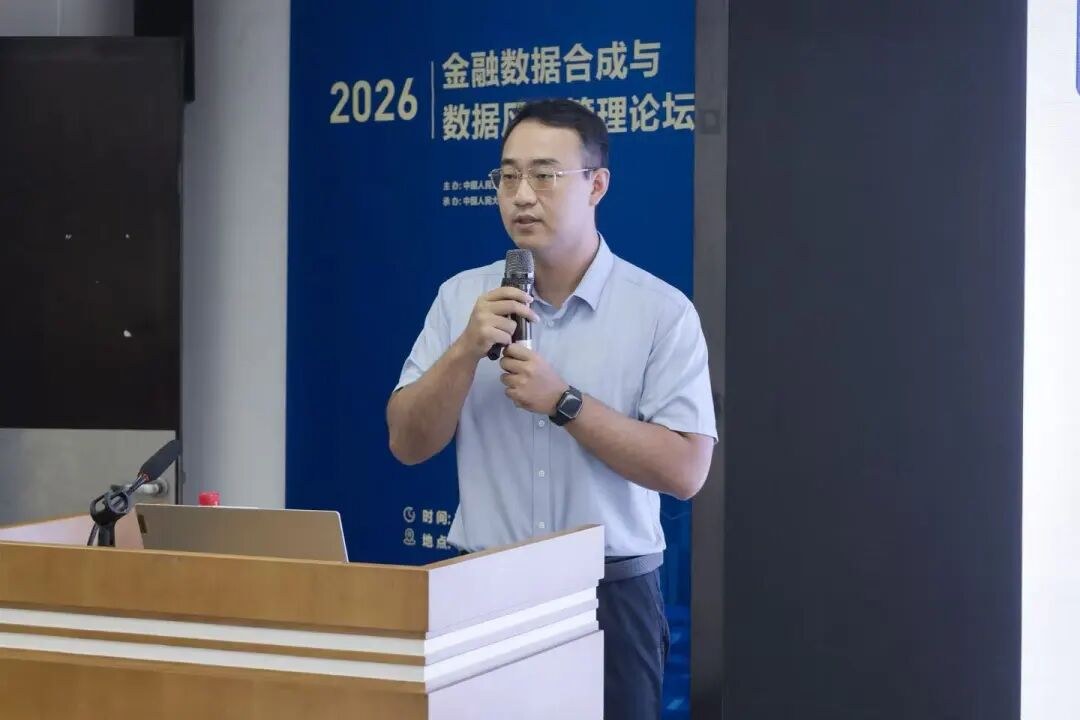
Assistant Professor Yuan Peixuan of the School of Business and Economics at Hong Kong Baptist University delivered a report titled "Charm of 1DTE Options," studying how changes in dealers' hedge ratios as one-day-to-expiry options roll into zero-day-to-expiry options overnight affect S&P 500 overnight returns and opening price formation. The report identifies Charm—the sensitivity of an option's delta to the passage of time—as a driver of S&P 500 overnight returns, with its average magnitude rising from about one basis point in 2012 to nearly 40 basis points in 2024. When one-day-to-expiry (1DTE) contracts become zero-day-to-expiry (0DTE) contracts overnight, market makers' hedge ratios change mechanically, triggering futures rebalancing whose price impact is realized at the opening of the cash market. The report constructs a NetCharm measure to capture this hedging pressure and demonstrates that it robustly predicts subsequent overnight returns. Further evidence indicates that investors use 1DTE options to hedge next-day uncertainty, thereby influencing overnight price formation through delta rebalancing.
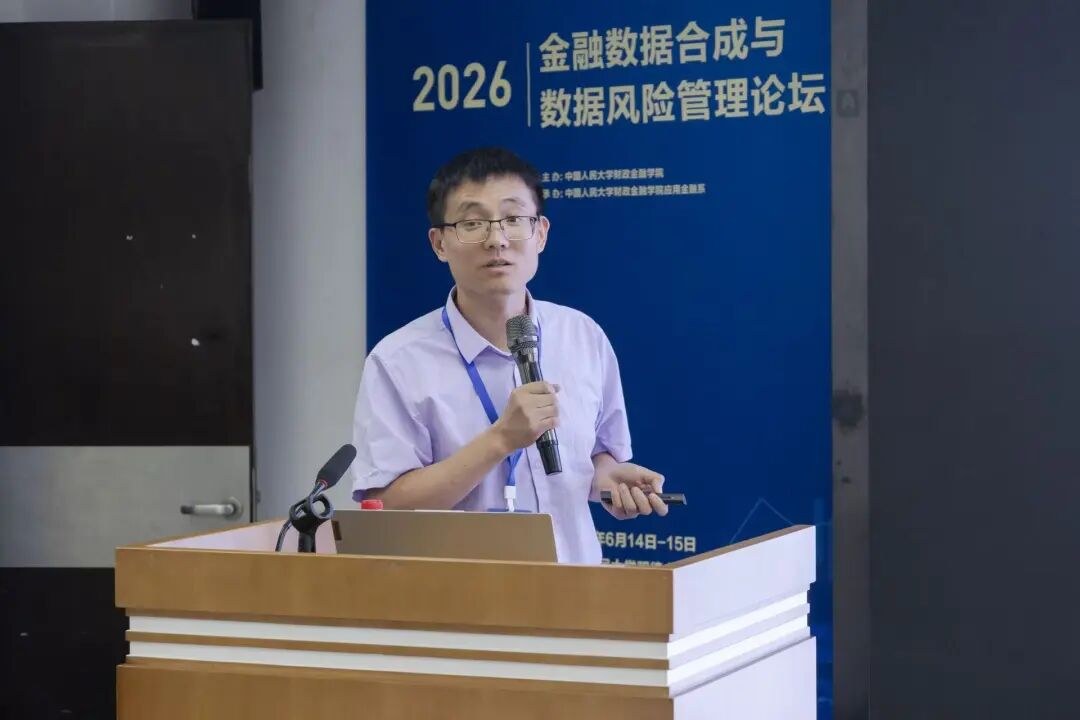
Professor Lin Qian of the School of Economics and Finance at Xi'an Jiaotong University delivered a report titled "A Tale of Fear and Euphoria in the Stock and Bond Markets." Starting from a consumption-based asset pricing model, the report explains the theoretical mechanism through which stock market variance may exhibit an unstable positive or negative relationship with the risk premium and with market prices. The talk proposes a consumption-based model to explain the puzzlingly unstable relationship between stock market variance and the market risk premium and prices—sometimes positive, sometimes negative. In the model, the market risk premium is positively related to "fear" variance and negatively related to "euphoria" variance. Market prices fall as the discount rate declines, and are therefore negatively related to fear variance and positively related to euphoria variance. Because market variance is the sum of fear variance and euphoria variance, its correlation with expected returns and prices can be either positive or negative, depending on the relative importance of the two. Empirical results support the model's key assumptions and many of its novel implications. The talk further discusses the relationship between inflation and stock market returns.

Professor Huang Danyang of the School of Statistics, Renmin University of China, delivered a report titled "Privacy-Protected Estimation and Statistical Inference for Spatial Autoregressive Models," addressing parameter estimation and statistical inference for spatial autoregressive models under privacy protection constraints. Spatial autoregressive (SAR) models and their extensions are important tools for characterizing spatial dependence and network effects. However, as data privacy protection requirements continue to tighten, data providers often implement protective measures that make traditional SAR models and their standard estimation methods difficult to apply directly. To address this, the report introduces a class of privacy-protected SAR models that add noise to both the response variable and the covariates to satisfy privacy requirements. Because both components of the model are contaminated by noise, conventional quasi-maximum likelihood estimation faces difficulties such as the inability to construct the likelihood function directly and high computational complexity. To overcome this obstacle, the study first adopts a pseudo-likelihood approach, temporarily ignoring covariate noise in the initial estimation stage, and solves for the parameter estimator using a Newton-Raphson algorithm. However, this initial estimator is biased. To further improve estimation accuracy, the report proposes a bias-corrected Newton-Raphson-type algorithm that accounts for noise in both the response variable and the covariates. The report further proves that, under appropriate regularity conditions, the resulting estimator is consistent and asymptotically normal. To improve computational efficiency, the report also develops a bias-corrected least squares estimator. Several extensions are discussed, and the finite-sample performance of the proposed methods is evaluated through extensive simulations and real data analysis.
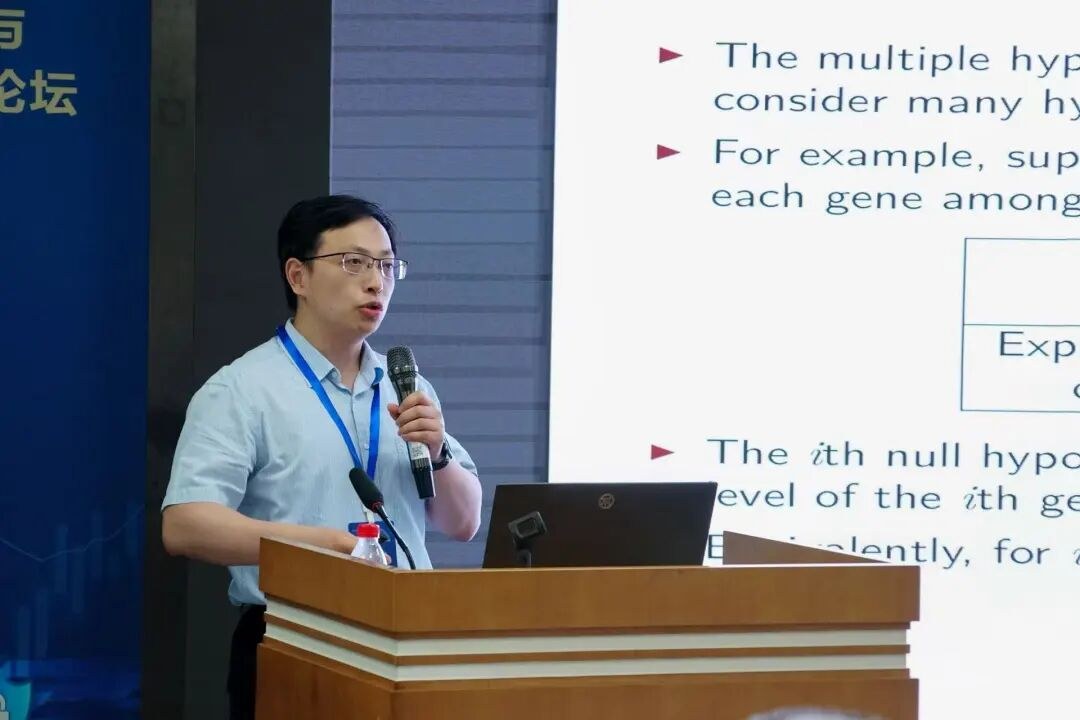
Researcher He Kejun of the Institute of Statistics and Big Data, Renmin University of China, delivered a report titled "Recent Advances in Multiple Hypothesis Testing with Some Applications." The report introduces recent progress in multiple hypothesis testing in controlling false positive risk and enhancing signal detection power, and illustrates the practical value of statistical tools through applications in environmental science, reproducibility analysis and industrial predictive maintenance. Unlike traditional single hypothesis testing, which evaluates one statistical hypothesis at a time, multiple hypothesis testing conducts a large number of tests simultaneously within a single study, which can severely inflate the risk of false positives. A key objective of multiple hypothesis testing is to control the proportion of false positives among all rejections while effectively identifying true signals. This talk introduces several recent advances in the field, such as improving the detection power for spatial signals by borrowing information from neighbors, identifying the joint statistical significance of individual features, and a line of research based on e-values. Rather than delving into methodological details, the report demonstrates the real-world value of statistical tools through examples from environmental science, reproducibility analysis and industrial predictive maintenance.
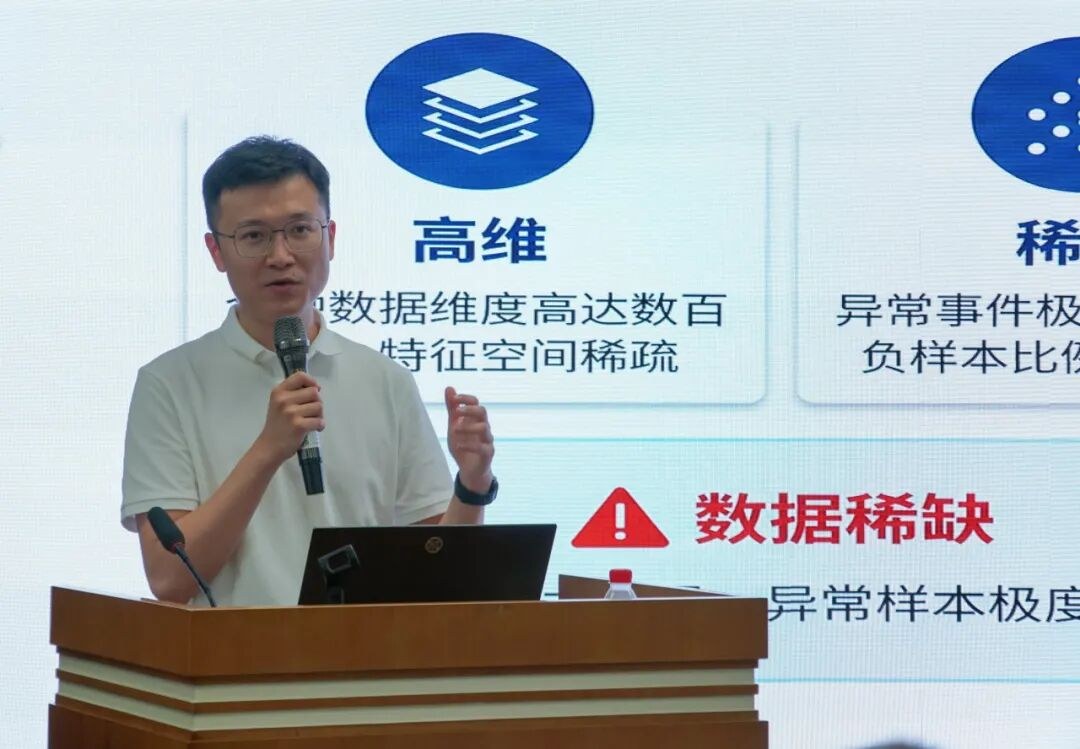
Assistant Professor Wei Chunyu of the School of Information, Renmin University of China, delivered a report titled "Data Synthesis Methods for Financial Scenarios: From Topology-Aware Modeling to Relational Foundation Models." Centering on topology-aware data models, the report systematically introduces data synthesis methods for financial scenarios, covering diffusion models, graph representation learning, multi-agent simulation and relational foundation models. Financial data is generally high-dimensional, sparse, time-varying and strongly correlated, while facing the dual constraints of data scarcity and privacy protection, posing severe challenges for financial research, business modeling and regulatory practice. Focusing on the research theme of "topology-aware data models," the report systematically presents a system of data synthesis methods for financial scenarios along four dimensions. At the modeling level, it introduces topology-aware data synthesis methods based on diffusion models, exploring how to preserve the structural correlations and statistical properties of financial data during generation. At the prediction level, it introduces the application of graph representation learning to feature extraction from high-dimensional sparse financial data. At the simulation level, it combines multi-agent interaction methods to explore the potential of generative AI in financial scenario simulation and risk monitoring. At the computational level, it looks ahead to the application prospects of relational foundation models in financial data governance.
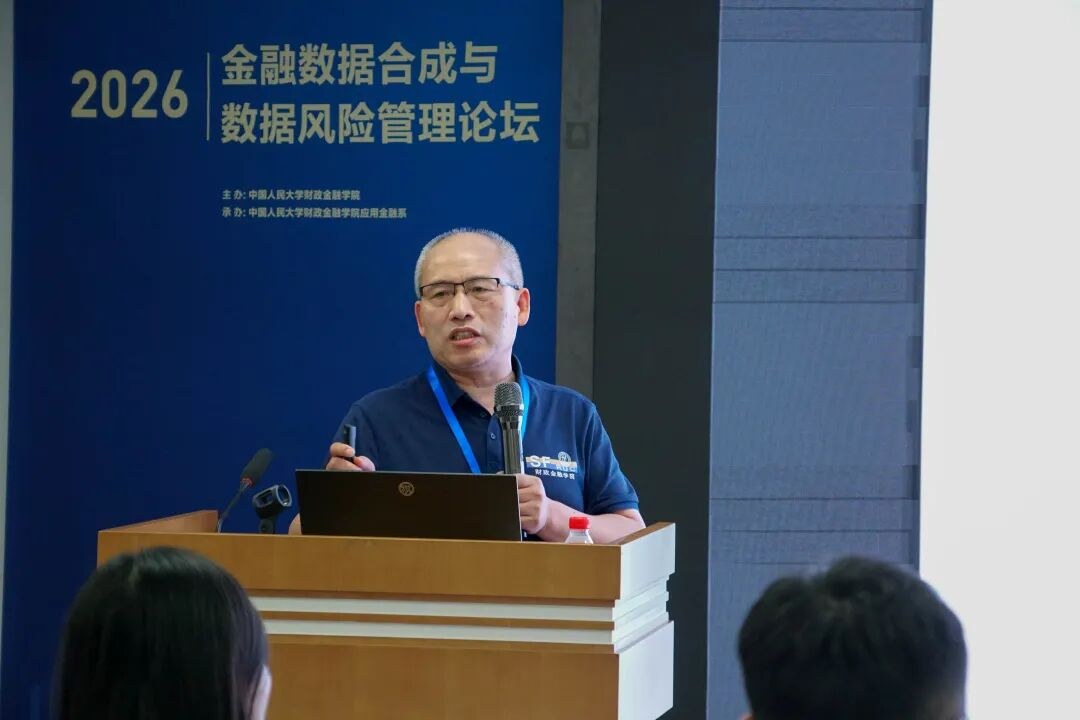
Professor Zhang Shunming of the School of Finance, Renmin University of China, delivered a report titled "Winsorized Information and Nonlinear Pricing." Building a general equilibrium model, the report considers a setting in which sophisticated investors observe conventional normal signals about asset payoffs, while naive investors observe a winsorized signal that truncates extreme values. The demand of naive investors exhibits jumps at the winsorization points and a nonlinear response to prices. In equilibrium, the price function is linear in moderate signals but concave in extremely bad news and convex in extremely good news, deviating from the rational benchmark. In the tail region, risk is transferred from naive to sophisticated investors. These distortions intensify as the proportion of naive investors increases and vary non-monotonically with the width of the winsorization window. The paper's theory links bounded rationality in information processing to the nonlinear relationship between prices and allocations during tail events.
Interdisciplinary Exchange Deepens Research on Financial Data Risk Management
The topics covered at the forum spanned financial mathematics, asset pricing, behavioral finance, artificial intelligence in finance, statistical inference, data privacy protection and financial data synthesis, fully reflecting the interdisciplinary character of research on financial data risk management. On the one hand, nonlinear expectation, nonlinear probability and statistics, and nonlinear pricing provide a new theoretical foundation for financial risk measurement in environments of complex uncertainty. On the other hand, artificial intelligence, data synthesis, privacy-protected statistical inference and relational foundation models provide new methodological tools for financial data governance and intelligent risk monitoring. Participating experts held in-depth discussions on the presentations, exchanging views on issues such as the effectiveness of financial data synthesis, the trade-off between privacy protection and statistical inference, the behavioral characteristics of AI trading agents, the impact of short-dated derivatives on market microstructure, and the relationship between policy intervention and institutional investment behavior. While advancing dialogue at the academic frontier, the forum also provided important inspiration for future research on financial data synthesis and intelligent model risk monitoring.
Conclusion
The 2026 Forum on Financial Data Synthesis and Data Risk Management, grounded in the frontiers of digital finance development, provided a high-level academic exchange platform enabling efficient communication, in-depth discussion and results sharing for scholars, experts and industry practitioners across the four intersecting disciplines of finance, statistics, mathematics and information science, helping academia and industry break down disciplinary barriers, build research consensus and jointly address industry pain points. Looking ahead to the era in which the digital economy comprehensively reshapes the financial landscape, the School of Finance of Renmin University of China will build on its disciplinary strengths and research accumulation to focus on frontier topics including the upgrading of financial risk management systems amid digital economy transformation, the implementation of compliant financial data synthesis technologies, AI empowerment across the full spectrum of financial applications, and the improvement of end-to-end financial data governance. It will deepen interdisciplinary basic research and applied innovation research, and continuously advance the deep integration of multiple disciplines, industry-university-research collaboration, and the production of high-level original academic achievements. Through solid academic research it will empower the digital transformation of the financial industry, actively explore the laws of financial development in the new era, continuously deepen the understanding of the essence of finance with Chinese characteristics, and steadily advance practical, theoretical and institutional innovation in finance, contributing the wisdom of Renmin University to the development of a modern financial system with Chinese characteristics and to the building of a financial powerhouse.